
Cheesecake exist in many forms around the world. One of them is the New York cheesecake, a specific type of baked cheesecake. Friends TV series featured baked cheesecake shared by Rachel and Chandler. The Golden Girls TV series always eat cheesecake over a cup of tea, or coffee.
In the Philippines, we also have our own version. It developed in the Philippines through the influence of western cuisine, particularly during the American colonial period when ingredients like cream cheese and baking techniques became more widely available.
Filipino Cheesecake is a modern fusion version that includes condensed milk and Philippine-made cheese. It is a result of collective innovation by Filipino bakers and cooks, evolving into its own distinct style over decades.

Sponge: Cake:
4 egg yolks
1/4 cup sugar
1/4 cup oil
1/3 cup milk
1 tsp vanilla
1 cup all purpose flour
1/2 tsp salt
4 egg whites
1/2 tsp cream of tartar (2g) or 1/2 tsp lemon juice or 1/2 tsp vinegar
1/3 cup of sugar
Snow Frosting:
1/2 cup softened butter
1/2 cup cream cheese
1/4 cup condensed milk
1/4 cup heavy cream
A little less than ¼ cup granulated sugar
Topping: Filipino grated cheddar cheese. You may use either Kraft, Eden, Ques-O, Magnolia)
How to:
Mix 4 egg yolks and ¼ cup granumated sugar. Cream until pale yellow and fluffy. Than add ¼ cup oil, 1/3 cup milk and 1 tsp vanilla. Mix well. Then, sift 1 cup flour and ½ tsp salt. Mix.
For the meringue, 4 egg whites , ½ tsp cram of tartar. Use a hand mixer, when its frothy already, add 1/3 cup sugar gradually. Beat until firm peaks.
Mix a dallop of egg white into the egg yolk mixture to loosen the base mixture, then fold the rest.
Baked in a pre-heated oven at 160 C 35-40 minutes
For the frosting, hand mix the butter till softened, then add cream cheese, condensed milk, mix until smooth. Add heavy cream and granulated sugar.
Once the sponge has cooled down, spread the frosting from the side first and grated cheddar cheese. This helps hold the frosting. Finally, add the frosting and cheese on top of the cake.
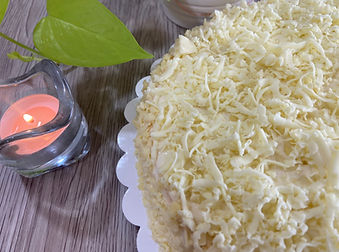
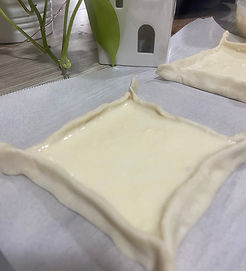
I had some Filipino Cheesecake frosting left over and didn't want to go to waste. With some ready made pastry dough on fridge, I experimented a little. The result was a flaky pastry with a right balance of sweetness.

Ingredients:
Filipino cheesecake frosting leftover
Sugar Icing
Ready made pastry dough square (I used Switz Puff Pastry Squares)
How to:
Folded each sides of the dough to place the frosting and baked at 160C for
20 minutes until lightly golden.
Once done, sprinkle with sugar icing for a snowy touch.
The first chocolate cake I learned to bake circa 2024. I've been hoping to bake one day for a special person who has 3 wonderful children and a dog named Pixie. His daughter likes everything about chocolates and horses.
Made with simple ingredients like cocoa powder, flour, sugar, eggs, and butter or oil and dark chocolate.
I used Hintz cocoa powder and Carrefour Original Dark Chocolate (Noir Corse, Puur Intense)

For Cake:
7/8 cup all-purpose flour
7/8 cup granulated sugar
1/2 cup Cocoa powder
1 teaspoon baking powder
1/4 teaspoon baking soda
1/4 teaspoon fine sea salt
1/3 cup full fat sour cream
1/4 cup vegetable oil
1 large egg at room temperature
scant 1/2 cup hot brewed coffee or hot water
Frosting:
1/3 cup heavy cream
1/4 cup unsalted butter
2 oz / 56g good quality dark chocolate (60-70%)
1/3 cup granulated sugar
1/3 cup cocoa powder
1/3 cup full fat sour cream
1 teaspoon vanilla extract
pinch of fine salt
How to:
Pre-heat oven to 163 C. Placed a baking paper at the bottom of a round baking pan (make sure paper is cut and fitted properly at the bottom)
In a bowl, whisk flour, sugar, cocoa powder, baking soda, baking powder and salt.
In a separate bowl, whisk sour cream, oil, egg and vanilla until mixed well. Make a well in the center of dry ingredients and pour the liquid mixture. Mix until nearly combined.
Pour in hot coffee or water and stir until smooth.
Pour batter into the baking pan
Bake for 35-40 minutes or until center is springy. Try inserting a toothpick to test. Let it sit in the oven for 15 minutes after baking (this helps the cake to stay in tack).
The Frosting:
Combine cream butter is small saucepan. Stir gently over medium heat until butter is melted.
Remove from the heat and stir in chopped chcolate. gently stir until melted. If need to melt more, put back to low burner the remove from the heat while continue stirring.
Add sugar, cocoa powder and salt and whisk until incorporated. it will look like slightly brownie looking batter at this point
Add sour cream and vamila and whisk until smooth and shiny. Let it cool until thickened and spreadble. Stir ocassionally to even cooling
Spread frosting onto the colled cake,
For leftover, store in a an airtight container up to 5 days.

Not cookie or from Dubai, the Dubai chewy cookie is the latest evolution of the Dubai chocolate craze. Originally from South Korea late 2025/early 2026, the dessert (also known as “dujjonku”) is a chocolate-dusted marshmallow stuffed with pistachio and knafeh. The trend has swiftly inspired people across the globe, and Philippines is no exception as this chewy are available in the country, particularly in Manila.
The Dubai chocolate bar has been the internet’s food obsession for the past two years was invented by a Filipino chef based in Dubai.
Going back to the chewy cookie, its chocolate exterior using marshmallow is a bit hard, but overall its really easy and fun to make.
Instead of using cocoa and tahini, I used Carrefour Original Dark Chocolate Noir Corse Puur Intens 60-70% as this is the one I have on the shelf and it still works.
For the Pistachio filling, I used Nestle Pistachio Squeesy topping coz this is cheaper cost compared to the actual pistachio spread.


Ingredients:
Pistachio filling:
2 cups kunafa (shredded)
1/4 cup butter
Pistachio spread or topping
Chewy Chocolate Exterior
1 pack Campfire Marshmallow
1/4 cup dark chocolate
cocoa powder (for dusting)
How to:
-
Prep Filling: Melt butter in a pan over low heat. Toast kataifi until golden brown. Mix in pistachio cream
-
Freeze: Scoop filling into small balls on a baking sheet. Freeze until firm.
-
Prepare Exterior: Melt butter and marshmallows over low heat, stirring until smooth. Remove from heat and stir in dark chocolate
-
Assemble: Allow marshmallow mixture to cool slightly. With oiled hands, flatten a portion of the marshmallow mixture, place a frozen filling ball in the center, and seal it.
-
Finish: Roll finished balls in extra cocoa powder and let set at room temperature.
If you baked a cake and have frosting leftover, you may try baking another batch of cake but in a small portion using 6 inch pan or silicon mould.
I once baked a 9inch pan cake to give to my brother and his family. Leftover frosting has made me make one for myself that I enjoyed for 3 days.

Ingredients:
Cheesecake frosting leftover
2 egg yolks
3 tbsp granulated sugar
3 tbsp oil
3 tbsp milk
1 tsp vanilla
1/2 cup all purpose flour
1/2 tsp salt
2 egg whites
1/2 tsp cream of tartar (2g) or 1/2 tsp lemon juice or 1/2 tsp vinegar2
3 tbsp of sugar
How to:
Mix 2 egg yolks and 3tbsp granulated sugar. Cream until pale yellow and fluffy. Than add 3tbsp oil, 3tbsp milk and 1 tsp vanilla. Mix well. Then, sift flour and ½ tsp salt. Mix.
For the meringue, 2 egg whites , ½ tsp cram of tartar. Use a hand mixer (but in my case, I used manual using whisk)
when its frothy already, add 3tbsp sugar gradually. Beat until firm peaks.
Mix a dallop of egg white into the egg yolk mixture to loosen the base mixture, then fold the rest.
Baked in a pre-heated oven at 160 C 30 minutes
Filipino Adobo is one of the most iconic dishes of the Philippines. Early Filipinos cooked meat in vinegar and salt as a way to preserve food in the tropical climate. Vinegar helped prevent spoilage.
When the Spanish arrived in the 1500s, they encountered this cooking method and named in "Adobo", from the Spanish word "Adobar" meaning "to marinate". The Spanish didn't invented the dish, they simply gave it a name.
Overtime, adobo evolved by incorporating new ingredients such as soy sauce, garlic, bay leaves and black pepper.
This dish reflects cultural blending (indigenous, spanish and chinese influences), and family tradition (recipes passed down and personalized).
There are various versions of cooking adobo, but the one I will share with you is the most common version of adding soy sauce, giving a darker color and richer taste.


Ingredients:
1/2 kilo pork (you may choose with or without bone)
1/3 cup soy sauce
2 cups water
2 tbsp oyster sauce
1 tbsp whole pepper
2 cloves garlic
2 tbsp oyster sauce
2 tbsp white vinegar
2 pcs potato
Boiled eggs (optional)
3 pcs bay leaves
How to:
Fry the pork till golden brown. Set aside
Saute garlic and add the fried pork.
Add soy sauce, water, and vinegar and pepper. Let it simmer till the pork becomes tender. Taste the sauce, and balance it with either additional oyster sauce or water.
Add the potato and oyster sauce.
Add bay leaves and boiled eggs.
Pork sinigang is an indigenous Filipino soup that originated in the pre-colonial era, long before Spanish arrival. It was developed by early Filipinos as a sour broth—using tamarind—designed to suit the tropical climate, and is considered a staple of local cuisine.
Sinigang is more than just a dish, it's an integral part of Filipino culture. It's a popular dish to serve during the rainy season, as the hot soup is said to warm the body and soul.
Perfect with rice, with fish sauce and chili.


Ingredients:
1 kg pork (ribs or loin or both)
1 large onion (sliced into quarter)
1 large tomato (sliced into quarter)
1 pack Knorr Tamarind Based Powder
1 pack string beans
2 pieces white radish
1 pack Kangkong
2 pieces eggplant
1/4 okra (lady finger)
fish sauce
salt
How to:
Boil onion and tomato 3 cups of water
Once its boiling, add the pork, half of the pack of Knorr Tamarind Powder and 1/2 teaspoon salt
Let the pork boil till tender.
Once pork is tender, add white raddish, eggplant and okra, string beand till vegetables are cooked.
taste the soup, (if needed, add a few more tamarind powder and fish sauce)
Latsly, add the kangkong, cover the pan and turn off the stove.
Paprika is a spice made from dried and ground red peppers.
There are various producers of Paprika but the 2 most common producers are Spain and Hungary.
There are also various kinds of peppers to make Paprika but the one of the most commonly grown pepper varieties for making paprika is the Boldog pepper which comes from northern Hungary.
Later, in the 16th century when the Spanish colonized the Philippines they introduced their flavors to Filipino cuisine, including olive oil, paprika, saffron, cheese, ham, and cured sausages. The Spanish paella or fried rice, for example, has come to be a festive dish in the Philippines.
In Philippine cuisine, Paprika, while not a traditional indigenous spice, is commonly used in modern Philippine cuisine to add color, mild heat, and smoky depth to various dishes. It is frequently used in marinated meats, stews, and savory rice, providing a sweet or smoked flavor enhancement to familiar Filipino flavors.


Ingredients:
500g Chicken breast (or chicken thigh if you like with bone)
1 tbsp Paprika powder
1 green bell pepper, chopped
1 red bell pepper, chopped
1 whole onion, chopped
salt to season
How to:
Saute onion till transluscent
Add the chicken and sprinkle half tbsp paprika powder and sprinkle some salt.
let it simmer till chicken is cooked.
once a lilttle cooked already, adda cup of water ti continue simmering for 5 minutes.
Add green pepper, red pepper, add the remaining Paprika powder and let it simmer till cooked.
season with salt to taste.
Creamed chicken, specifically the classic Chicken à la King, likely originated in the United States during the late 19th century, with several competing origin stories in NYC and Philadelphia in the 1880s–1890s. It was popularized as a fine-dining dish before becoming a common, comforting home-cooked meal, often made with leftovers in a simple white cream sauce.
Evolution: While early versions were made with from-scratch cream sauce and sherry, the dish evolved into a popular, easy-to-make diner staple in the 1950s.
Creamed chicken became a popular "leftover" dish, providing a way to turn small amounts of chicken into a rich meal.
In the Philippines, The most popular Filipino versions of creamed chicken are Chicken Pastel (a creamy stew with sausages, potatoes, and carrots) and Filipino-style Chicken ala King (creamy chicken with mixed vegetables often served over rice). These dishes are typically made using all-purpose cream or evaporated milk to create a rich, comforting, and savory white sauce.
The recipe below is really simple, easy to prepare and still delicious.

Ingredients:
500g chicken breast (or thigh if you want with bone)
1 can or pack all-purpose cream
1 medium size red Onion
1 medium size green bell pepper
1 medium size yellow bell pepper
salt and pepper to taste
*you may also add mushroom and red bell pepper.
How to:
Saute Onion using Olive oil
Add the chicken till cooked, (add a little water if still needed to make sure it won't burn the onion and chicken)
Add all the veggies and cream.
Add salt and pepper to taste.
Perfect with plain rice. Condiment on side - fish sauce (optional)
Chicken BBQ consists of chicken parts or entire chickens that are barbecued, grilled or smoked. There are many global and regional preparation techniques and cooking styles. Barbecue chicken is often seasoned or coated in a spice rub, barbecue sauce, or both. Marinades are also used to tenderize the meat and add flavor.
In Philippine cuisine, Chicken BBQ is more than just a meal; it is a cultural staple ranging from everyday street food to the centerpiece of family celebrations. Filipino-style barbecue is characterized by its sweet, savory, and tangy profile, achieved through a unique marinade of soy sauce, calamansi, garlic, and often banana ketchup or lemon-lime soda. Varieties such as Chicken inasal, street style BBQ skewers, and Inihaw na manok (grilled chicken).
For the recipe, I used oven to grill the chicken (air fry mode). Unfortunately, the apartment building where i live does not allow to grill in the balcony (safety first).
Ingredients:
500g chicken leg whole (3pcs)
1 cup soy sauce
1/3 cup banana Ketchup
1/2 slice lemon
1 tsp pepper
Preparing Chicken:
Marinate the chicken overnight of for 4 hours before cooking with soy sauce, banana ketchup, lemon (slightly squeeze), pepper
How to:
In a sauce pan, boil the chicken along with the marinate sauce.
pre-heat oven, 160 C and roast for 30mins. brush with marinated sauce from the pan halfway of roast,
enjoy with rice. Condiment on side - vinegar with chili or soy sauce and lemon.
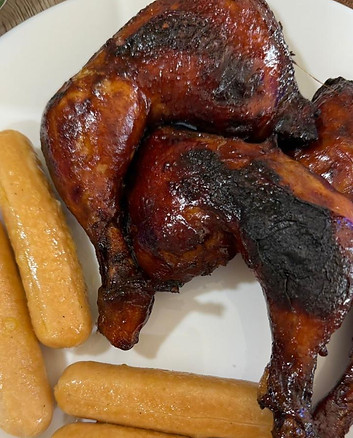
Sopas is a Filipino macaroni soup, heavily influenced by American cuisine, that became a staple comfort food during the American colonial period (1898–1946). A creamy mixture of chicken, macaroni, vegetables, and milk, it was adapted from Western chicken noodle soup recipes to fit local tastes.
Origin: The name stems from the Spanish word sopa ("soup"), while the dish itself is a local adaptation of American canned soups
It serves as a comfort food, particularly associated with rainy weather, breakfast, and caring for the sick.
Filipino Sopas is remarkably similar to the Belgian dish called Waterzooi
While there is no direct historical link between the two, they share striking culinary DNA as hearty, creamy comfort soups (Filipino sopas and Waterzooi primary protein is chicken (though in waterzooi original is made of fish like carb or eel).
When it comes to cream, Filipino Sopas uses evaporated or fresh milk while Waterzooi uses heavy cream or egg yolk.


Ingredients:
500g chicken wings or breast
1 medium size onion (chopped lengthwise)
1 large carrot
1/4 cabbage (chopped from medium size cabbage)
1 large evaporated milk
2 cups elbow macaroni
1 tbsp fish sauce
Salt and Pepper to taste
Spring onion for garnish
How to:
Saute onion till translucent. Add the chicken and cook for 5 mins, then add a 3 cups of water and bring to a boil.
Add elbow macaroni and evaporated milk. Once macaroni is cooked, add carrots and cabbage and fish sauce and bring to a boil. Add salt and pepper to taste.
To serve, garnish with spring onion
Beef Sarciado (Sarciadong Baka) Beef Sarciado (Sarciadong Baka) is a Filipino comfort food originating from Spanish colonial influence (16th century onwards), where "sarciado" refers to a tomato-based "sarsa" (sauce).
This Filipino tomato-based beef stew features tenderized beef simmered with garlic, onions, tomatoes, potatoes, a commonly seasoned with soy sauce, fish sauce, or tomato paste for a savory, hearty dish.

Ingredients:
1/2 kg beef
4 pcs medium red onions, finely chopped
1 cup soy sauce
1/2 lemon
3 tbsp oyster sauce
tomato paste
1 green bell pepper
1 red bell pepper
2 pcs medium potato, 1/4 cut
salt to taste
Preparation:
Marinate beef with soy sauce, squeeze a little lemon (not too much), oyster sauce overnight or 6 hours before cooking.
How to:
Fry potato, and bell pepper separately, set aside.
Saute onion till translucent.
Add the marinated beef including the marinate sauce and 1 cup water
let it simmer till tender. If not yet tender, add more water just enough to cover the beef.
Add tomato paste.
Add potato, and bell peppers.
season to taste

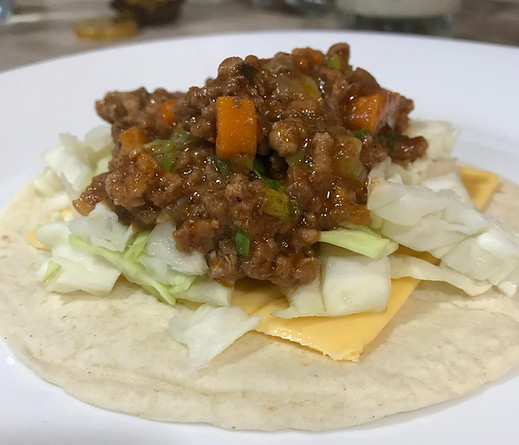
Transform leftover pasta sauce into quick tortilla wraps by using it as a base for pizza rolls, creamy sauce wraps, or savory quesadillas. Key methods include spreading meat or veggie sauce on tortillas with cheese and baking them, or using it as a filling for burritos
Options:
Bolognese Quesadillas: Layer sauce and cheddar/mozzarella between two tortillas, cooking until cheese melts and tortillas are browned.
Meat Sauce Burritos: Warm the leftover meat sauce and combine it with cheddar cheese, lettuce, tomatoes, and red onion inside a flour tortilla.
Ingredients:
Bolognese pasta leftover
chopped cabbage
cheese square (or grated cheddar cheese)
Tortilla flour
How to:
Re-heat bolognese leftover, spread on top of tortilla with cheese and cabbage.
You may also add chopped tomato and onion.
Transform leftover pasta sauce into quick tortilla wraps by using it as a base for pizza rolls, creamy sauce wraps, or savory quesadillas. Key methods include spreading meat or veggie sauce on tortillas with cheese and baking them, or using it as a filling for burritos
Options:
Bolognese Quesadillas: Layer sauce and cheddar/mozzarella between two tortillas, cooking until cheese melts and tortillas are browned.
Meat Sauce Burritos: Warm the leftover meat sauce and combine it with cheddar cheese, lettuce, tomatoes, and red onion inside a flour tortilla.
Ingredients:
4 pieces long green chilli
2 cups ground beef
4 slices (long thin slice) cheddar cheese
1/2 Onion
1 carrot
Salt and pepper to taste
How to:
Saute onion till translucent. Then add beef and carrots. Add salt and pepper. once cooked. Set aside.
Slice the chili on 1 side (length wise) and remove the seeds.
Insert 1 slice of cheese, and the prepared beef on each chili
Fry till the pepper looks a little soft.

Sauteed shrimp in Philippine history is rooted in coastal culinary traditions, featuring fresh shrimp, aromatic garlic, and butter, reflecting a mix of local ingredients and colonial influences.
The heavy use of garlic in Filipino cuisine, including in seafood dishes, stems from the 16th-century Spanish colonial period, which introduced staples like garlic, onions, and olive oil to local cooking techniques.

Ingredients:
1/4 kilo shrimps large
2 cloves garlic
1/4 cup butter
salt and pepper to taste
Onion leaks for garnish
How to:
boil shrimps with head in 1/4 cup water
once shrimps already changed to orange, add the butter and 1 clove of chopped garlic, salt and pepper
after 2 minutes and ready to be served.
garnish with chopped onion leaks and 1 clove chopped garlic.
Tikoy as being called in the Philippines. simply known as rice cake, a food prepared from glutinous rice flour. It is sweetened with brown sugar, giving it a dark yellow to light brown colour, but it is also often prepared with different flavours, such as ube (purple yam), giving it a purple colour, or pandan, giving it a green colour.
There are different ways of cooking tikoy. Common way if dip slices of tikoy on battered egg fry.
I had tikoy leftover in the fridge and thinking of other way to cook using ingredients I have at home.

Ingredients:
Tikoy
1 can coconut milk
3 tbsp brown sugar
How to:
boil coconut oil and brown sugar till a slighly tickened. Add tikoy till it becomes soft. Remove from the fire and placed in serving dish.